The Significance of Electronics Recycling: Safeguarding the Ecosystem and Your Community
The role of electronics recycling is crucial to conserving the environment and community health. Improper e-waste disposal poses significant risks, such as poisonous contamination and resource depletion. Through extracting valuable elements, recycling can mitigate these dangers and support sustainable practices. However, many individuals remain unknowing about the proper disposal methods. It is essential to understand the importance of responsible recycling as communities confront rising electronic waste issues. What measures can be implemented to foster effective recycling practices?
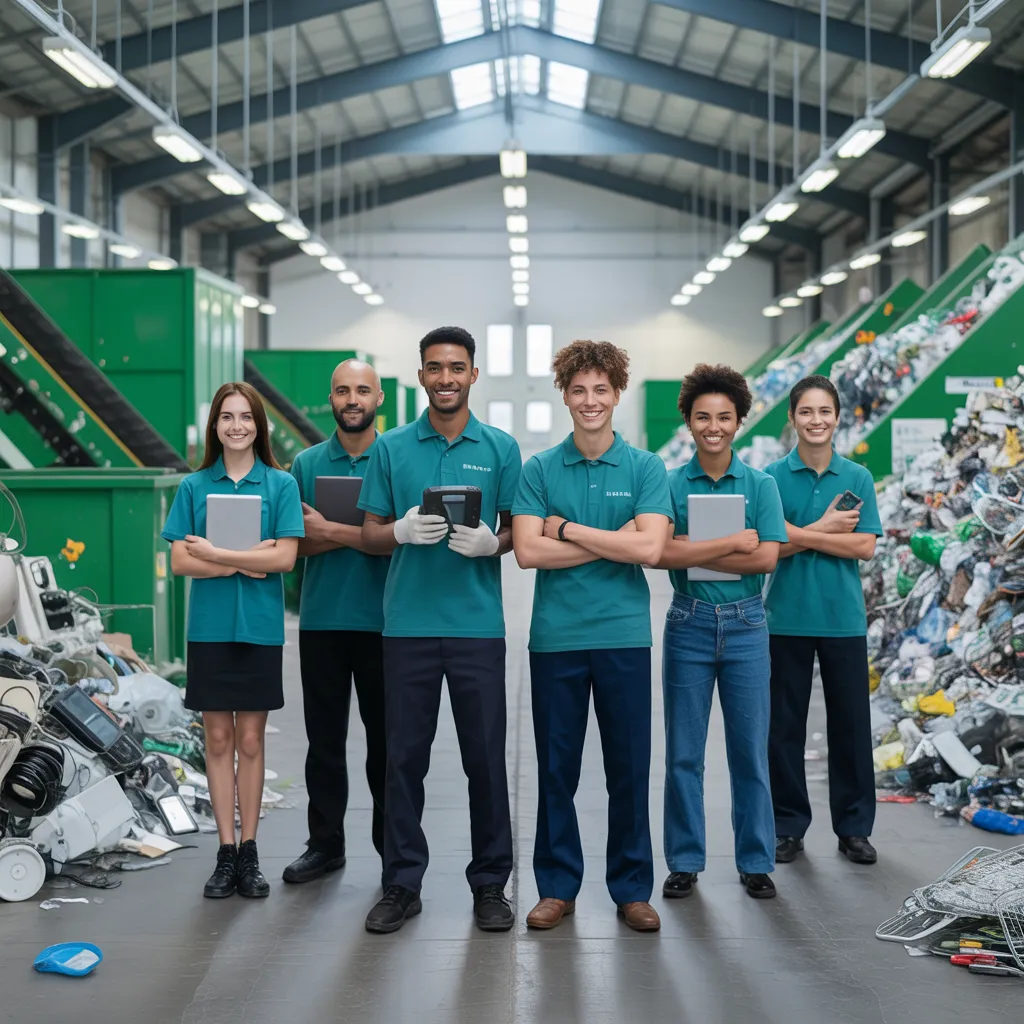
Electronics Reclamation: Why It Counts
Electronics reuse plays an important function in addressing environmental concerns. With the continuous advancement of technological development, electronic waste has become one of the fastest-growing waste streams globally. By processing electronic devices, important materials such as metal elements, plastics, and glass can be recovered and repurposed, limiting the need for resource extraction and manufacturing new items. This operation maintains natural resources and minimizes energy consumption, which as a result reduces greenhouse gas emissions.
Also, electronics reprocessing prevents dangerous substances contained in devices, such as lead, mercury, and cadmium, from polluting soil and water. Appropriate recycling processes guarantee that these substances are managed safely, protecting both ecosystems and human health. Furthermore, promoting recycling initiatives develops community awareness about environmental responsibility, promoting responsible usage and disposal techniques. By doing so, electronics recycling not only reduces environmental impact but also supports a circular economy, creating a more eco-friendly future.
The Drawbacks of Faulty Electronic Waste Disposal
Improper handling of e-waste poses significant risks to both the environment and community wellness. When electronics are discarded in waste sites, harmful substances such as lead, mercury, and cadmium can leach into the soil and groundwater, polluting local habitats. This not only jeopardizes wildlife but also poses critical safety concerns to communities relying on contaminated water sources.
Moreover, burning e-waste emits harmful gases, causing atmospheric contamination and breathing problems among local communities. The buildup of electronic waste in landfills also worsens the increasing challenge of refuse disposal, straining municipal resources.
Moreover, incorrect disposal robs communities of the opportunity to reclaim precious materials and reduces overall waste management efficiency. As the volume of electronic devices keeps to grow, the hazards associated with their improper disposal become increasingly pressing, emphasizing the urgent need for adequate recycling procedures.
Resources Regained Through Electronics Recycling
Electronics recycling is vital in resource recovery by recovering precious resources such as metals and plastics. This process greatly reduces landfill waste, fostering a greener method to e-waste handling. Additionally, processing electronic devices conserves energy, contributing to environmental protection and resource efficiency.
Important Material Recuperation
Recycling electronic devices exposes a rich source of precious materials that can be converted for a variety of functions. These materials include rare metals such as gold, silver, and palladium, commonly found in circuit boards and connectors. Additionally, aluminum and copper are regularly obtained from casings and wiring, supplying materials for manufacturing new products. Rare earth elements, necessary in advanced technologies, can also be recovered, decreasing the need for environmentally damaging mining practices. By recovering these materials, electronics recycling not only protects natural resources but also lowers the energy consumption required for producing new materials. Ultimately, this process supports a circular economy, driving sustainable practices while fulfilling the demand for critical components in modern technology.
Lowering Landfill Waste
Converting discarded electronics into valuable resources significantly decreases landfill waste. When electronic devices are reprocessed, valuable materials such as metals, plastics, and glass are recovered, minimizing the need for new raw materials. This process not only preserves natural resources but also substantially reduces the volume of waste sent to landfills. Electronics contain dangerous substances that can contaminate the environment, creating threats to soil and water quality. By recycling, communities can alleviate these dangers while promoting sustainability. Furthermore, electronics recycling programs promote responsible disposal practices, cultivating a culture of environmental stewardship. Ultimately, reducing landfill waste through electronics recycling benefits both the planet and local communities, paving the way for a cleaner, healthier future.
Power Efficiency Benefits
Recovering valuable resources from electronics recycling substantially boosts energy conservation. When metals such as gold, copper, and aluminum are reclaimed, the energy needed for mining and processing virgin materials is considerably reduced. By way of example, recycling aluminum uses up to 95% less energy than producing it from raw ore. Furthermore, reclaiming plastics and other materials reduces the need for fossil fuels, which further lowers energy consumption. This recycling process also reduces greenhouse gas emissions linked to resource extraction and manufacturing. Communities involved in electronics recycling efforts not only conserve energy but also foster sustainable practices. This united effort helps create a healthier environment and emphasizes the vital role recycling plays in lessening climate change effects.
How Recycling Affects Carbon Footprint
Reducing the carbon footprint is an crucial aim in the war against climatic disruption, and proficient waste electronics recycling represents a key part in meeting this purpose. By moving discarded electronics out of refuse sites, recycling mitigates pollutant emissions connected to waste decomposition. This procedure also conserves energy consumption, as recycling materials regularly calls for reduced energy when compared to constructing new products from primary resources.
Furthermore, recycling lowers the demand for extraction and production, each of which are energy-intensive undertakings that contribute greatly to carbon emissions. The recovery of valuable metals and components from old electronics helps to close the loop in manufacturing cycles, continuing to reduce ecological damage.
Moreover, as communities take part in electronics recycling, they strengthen a culture of environmental stewardship, advancing responsible consumption and waste management practices. Combined, these efforts work toward lessening climate change, demonstrating that recycling is not simply advantageous, but crucial for a healthier planet.
Ways of Identify Local Electronic Gadget Disposal Options
Discovering nearby device recycling services can be facilitated through various channels. City-run recycling programs, charitable entities, and manufacturer return options often provide user-friendly alternatives for recycling old devices. Each of these tools plays a critical role in advancing conscientious waste handling and reducing electronic waste in communities.
Municipal Programs
As communities increasingly acknowledge the importance of responsible electronics disposal, local governments are taking action to offer convenient recycling programs. Many municipalities now offer scheduled pickup times or collection centers specifically for electronic waste, ensuring that residents can easily dispose of unwanted devices. Additionally, some local governments partner with certified e-waste recyclers to ensure environmentally safe processing. Information about these initiatives is often found on city or county websites, where residents can discover details on locations, accepted items, and scheduled events. By promoting these programs, local authorities aim to reduce landfill waste, limit hazardous material exposure, and foster community awareness about the benefits of electronics recycling. Such initiatives play an important role in encouraging sustainable practices within the community.
Nonprofit Institutions Participation
A large number of nonprofit organizations are essential in facilitating local electronics recycling programs. These organizations routinely engage with local communities to organize collection events and impart valuable information about recycling options. By partnering with schools, businesses, and municipalities, they set up accessible drop-off locations for residents. Groups like Goodwill and Habitat for Humanity routinely take in electronics, confirming devices are either reused or recycled responsibly. Furthermore, nonprofits may provide educational resources to boost understanding about the environmental impacts of e-waste. Community members can generally access information about local recycling initiatives through nonprofit websites or social media channels, enabling involvement in sustainable practices that benefit both the environment and the community.
Retailer Buyback Programs
Numerous retailers currently offer recycling initiatives, making it simple for consumers to properly dispose of their old devices. These programs typically allow individuals to return damaged or obsolete products directly to the store, ensuring responsible disposal. Major electronics chains, as well as some large retailers, typically feature designated drop-off areas or scheduled collection events, simplifying the recycling process. Moreover, many retailers provide rewards, such as savings on upcoming transactions, to encourage participation. Consumers can readily find local take-back programs by checking store sites or utilizing specialized waste finder apps. By participating in these programs, people help with lowering e-waste and advancing eco-friendly habits in their local areas.
Procedures for Responsible Recycling
Responsible recycling of electronics demands a series of deliberate steps that guarantee proper disposal and ecological stewardship. First, parties should identify local reclamation services or establishments that accept electronic waste, ensuring they meet conservation benchmarks. Next, data protection is essential; stakeholders must sanitize private details from devices before resource recovery. This can involve factory resetting gadgets or using specialized software.
Once data has been protected, individuals should sort their devices by type, as different materials require particular recycling processes. Items such as batteries, screens, and circuit boards often have unique handling requirements. It's also vital to identify any hazardous materials, ensuring safe disposal practices.
Finally, consumers should inform themselves about the waste recycling methods, encouraging ethical practices in their communities. By following these steps, individuals contribute to a eco-friendly tomorrow and decrease the negative effects of e-waste on the natural world.
How Does It Possible to Prevent Electronic Refuse?
A multifaceted approach that emphasizes sustainability and mindful consumption is needed to prevent e-waste. Individuals can commence by increasing the lifespan of their devices through proper maintenance and necessary repairs. Choosing high-quality products designed for longevity also contributes to minimizing waste. Additionally, it is recommended that users adopt a culture of sharing, such as leveraging community libraries for electronics or joining device-swapping programs.
Education is a fundamental role; awareness campaigns help inform the public about the negative effects on the environment of e-waste and the critical role of recycling. Manufacturers, as well, have a commitment to design products that are easier to recycle and to establish take-back programs. Additionally, governments can implement policies that encourage responsible manufacturing and recycling approaches, thereby building a solid framework that fosters a sustainable electronic lifecycle. Altogether, these strategies can effectively mitigate the generation of electronic waste, protecting both the environment and communities.
Frequently Posed Questions
Which Items Are Suitable for Tech Recycling Solutions?
E-waste management services typically acquire electronics such as computers, laptops, smartphones, tablets, televisions, printers, and other electronic devices. These items often house useful resources that can visit now be reused, lowering refuse and maintaining natural materials.
Is There a Fee Connected With Electronics Disposal?
Electronic waste disposal may incur expenses, depending on the program and location. Some operations impose fees for certain items, while additional ones provide free services. It's crucial for individuals to inquire with local recycling centers for specific details.
What Techniques Guarantee Data Is Safely Removed From Refurbished Electronics?
Data is securely erased from recycled electronics through techniques like data wiping software, magnetic field neutralization, or mechanical demolition of memory units. These methods ensure that confidential data is irretrievable, protecting personal information security and preventing identity theft.
Are Businesses Able to Join in Electronics Recovery Initiatives?
Yes, businesses can actively participate in electronics recycling initiatives. By working alongside certified recyclers, they guarantee proper waste management and support environmental sustainability while also advancing business ethics within their local areas and enhancing their public image.
What Becomes to Recycled Electronics After They Are Picked Up?
Upon collection, reclaimed electronic devices undergo disassembly to retrieve precious resources. Components including metal materials, plastics, and glass materials are removed and treated, while hazardous substances are safely managed, ultimately decreasing waste in landfills and promoting resource recovery for fresh goods.